
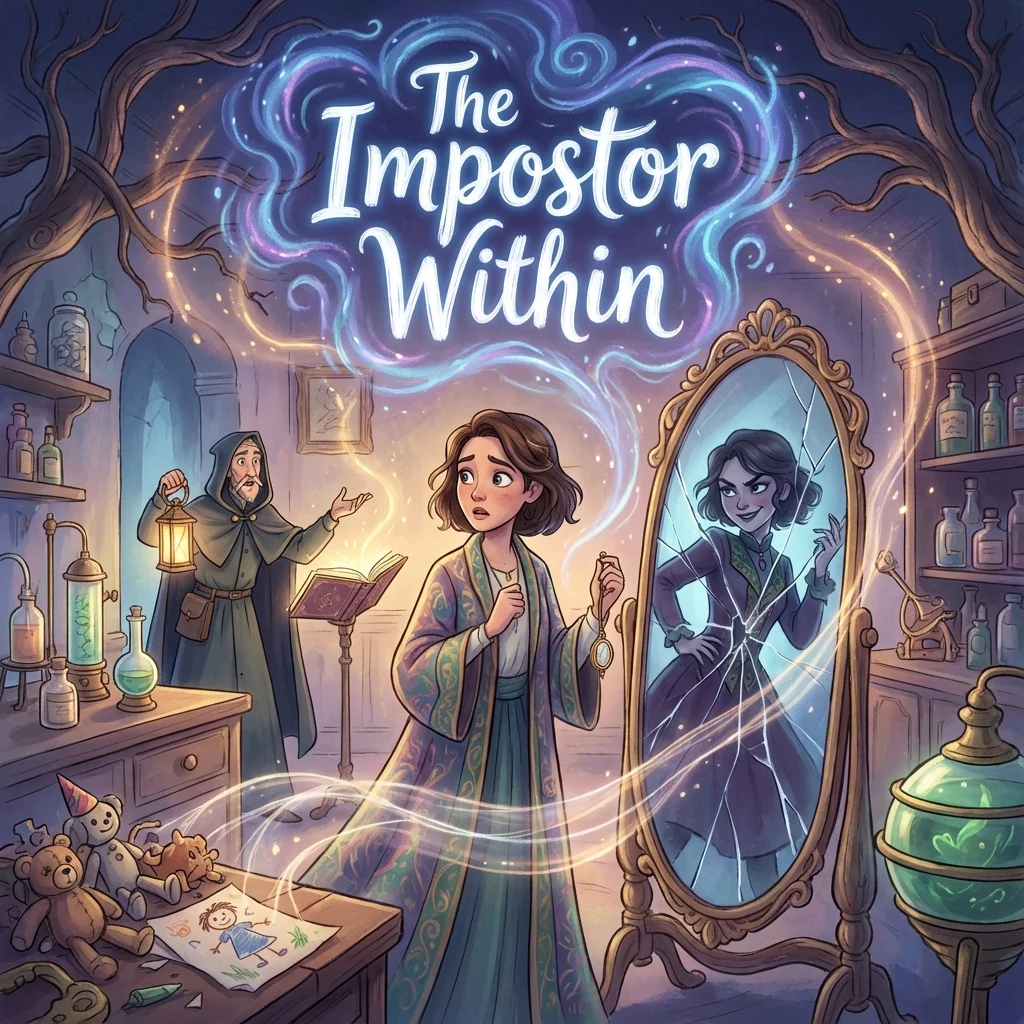
Elena stepped into her apartment, the door creaking like a warning she chose to ignore. The air felt thicker than usual, laced with a faint scent of lavender that wasn’t hers. She flicked on the light, and there it was again—the misplaced vase on the mantel, shifted two inches to the left. Her heart quickened. This was the third time this week. Someone had been in her home.
She was Elena Voss, 34, a graphic designer working from home in the quiet suburbs of Portland. Her life was meticulously ordered: coffee at 7 a.m., design briefs by 9, yoga at 6 p.m. No visitors, no drama. But lately, cracks had appeared. Yesterday, her neighbor Mrs. Hargrove had waved from the hallway, saying, ‘Great chat last night about your trip to Paris.’ Elena hadn’t been to Paris. Ever. And the night before, she’d slept through, dead to the world after a migraine.
She checked the locks—double-bolted. Windows secure. Paranoia, the doctor had called it during her last visit. Stress from deadlines. But Elena knew better. She installed a camera that afternoon, a small nanny cam disguised as a clock on the shelf. Sleep came fitfully, dreams of shadows dancing in mirrors.
The next morning, she replayed the footage. Nothing until 2:17 a.m. Then, the door handle turned. No key? The figure slipped in, tall, slender, dressed in Elena’s spare coat from the closet. The face—her face—turned to the camera. Elena’s own eyes stared back, cold and unfamiliar. The woman moved with purpose, straightening the vase, spritzing lavender from Elena’s perfume bottle, even flipping through her sketchbook, nodding as if approving the work. Then, she left as silently as she came.
Elena’s hands trembled as she zoomed in. It was her. Exactly her. Doppelganger. Twin? Her parents had died in a car crash when she was ten, raised by an aunt who passed five years ago without mention of siblings. Birth records? Sealed adoption papers from a private agency. Elena dug online, hacking into public databases with skills learned from freelance gigs. No twin listed. But anomalies: her social security number flagged for duplicate activity in Seattle last month. Bank statements showed withdrawals she didn’t make—for coffee shops, hotels, in a city she’d never visited.
Psychological warfare, she thought. Someone stealing her identity digitally, but physically? Impossible. She called in sick, barricaded the door with furniture, and dove deeper. Forums on identical strangers, cases of chimerism—two sets of DNA in one body. Madness. Her reflection in the bathroom mirror seemed to mock her, lips curling slightly when she didn’t smile. ‘Who are you?’ she whispered. The eyes blinked out of sync.
Day two: more footage. The intruder returned, this time sitting at Elena’s desk, typing on her computer. Elena watched live this time, hiding in the bedroom closet, breath shallow. The woman logged into email, sending messages Elena hadn’t drafted—confirmations for meetings, flirtatious replies to a contact named ‘Mark.’ Who was Mark? Elena had no boyfriend. The woman laughed softly, a sound Elena recognized as her own but laced with joy she rarely felt. Then, she undressed, showered using Elena’s products, and slipped into bed—the bed Elena had just vacated hours earlier.
Elena burst out, screaming. The woman sat up, sheets pooling around her waist, expression calm. ‘Elena? What’s wrong?’ Same voice, same cadence. Elena grabbed a lamp, swinging it. ‘Who the hell are you?’ The woman ducked, eyes wide. ‘I’m you, Elena. You’re scaring me.’ Elena froze. The accent—slight Pacific Northwest twang she had. Birthmark on the collarbone, identical. She fled the apartment, calling 911 from the lobby. Police came, searched. No one there. ‘Ms. Voss, you need rest,’ the officer said. ‘Overwork.’ But Elena saw the lavender scent on her own skin now.
She checked into a motel under a false name, laptop in tow. Cross-referenced photos: her high school yearbook, college ID. Faces matched, but crowdsourcing on anonymous boards yielded hits—’Saw a woman looking like you at a bar in Seattle last week.’ Seattle again. She drove there overnight, rain lashing the windshield like accusations. Her head throbbed, memories fuzzy. Childhood flashes: a swing set, two girls laughing, then screams, blood. Dismissed as nightmare.
In Seattle, she staked out the address from bank pings—a modest apartment. Through binoculars, she saw herself entering, carrying groceries. Elena waited till night, picked the lock with a credit card—desperation’s tool. Inside, clothes her size, sketches in her style on the table. A journal: entries in her handwriting. ‘Today, Elena seemed tired. Need to cover for her more. Mark is getting suspicious.’ Cover? Elena rifled drawers, found passports—two, both with her photo, different names? No, one Elena Voss, one Elena… Reed? Birth certificate for Elena Reed, born same day, same hospital. Twins.
Heart pounding, she hid as the door opened. Her double entered, humming. Elena lunged from the shadows, knife from kitchen in hand. ‘Tell me who you are!’ The woman dropped bags, raised hands. ‘Elena, please. I’m your sister. Lila. We were separated at birth. I found you five years ago.’ Lies. Elena slashed air. ‘Then why sneak into my life?’ Lila’s eyes filled tears. ‘Because you’re sick. Blackouts. You asked me to help. Remember the clinic?’ Flashes: therapy sessions, doctor saying dissociative fugue. Elena lowered knife slightly. ‘Prove it.’
Lila led her to a lockbox, pulled out adoption papers. Two girls, Voss and Reed families. Elena Reed given to relatives after ‘incident.’ What incident? Lila whispered, ‘Mom—our aunt—told me you had episodes. Wandered off. I tracked you to protect.’ Elena’s mind reeled. Mark called Lila’s phone. ‘Babe, where are you? Elena acting up again?’ Babe? Elena snatched phone. ‘Who is this?’ Mark laughed. ‘Elena? No, Lila. Quit the game.’
They sat, Lila explaining: Elena had DID, alternate personality named Lila who emerged during stress, living parallel life. But Elena rejected it. ‘Cameras show you, not me.’ Lila sighed. ‘Hypnosis. The doctor can prove.’ Elena agreed, desperate for truth. Drive to clinic outside Seattle, dawn breaking. Dr. Harlan, kindly face. ‘Elena Voss, back so soon?’ Session began, hypnosis. Elena floated, voices echoing. Childhood: two girls fighting over doll, push, fall down stairs. Blood. ‘I didn’t mean to!’ Little Elena’s voice. Then separation.
She woke sweating. ‘What happened?’ Dr. Harlan: ‘Your memory’s returning. Lila isn’t real—separate person.’ Lila protested. ‘No!’ Chaos. Elena saw file on desk: Elena Voss, deceased 1995, age 10. Accident. Body never found? Wait. Harlan locked door. ‘Time to end the charade.’
The twist hit like lightning. Harlan explained, voice cold. Elena—the current one—was Lila Reed, the surviving twin. Original Elena died in the fall, pushed by Lila in rage. Guilt buried, Lila assumed Elena’s identity, forged papers, suppressed memories. The ‘intruder’ was Elena hiring actors? No. Harlan was therapist treating Lila’s psychosis. All ‘evidence’ planted by Lila subconsciously—or deliberately? Lila (protagonist) stared. ‘No. I’m Elena.’
Harlan showed DNA: from cheek swab earlier, matches Reed lineage. Journal? Lila’s handwriting practice. Doppelganger footage? Deepfake app on her phone, auto-generated from stress triggers. Mark? Lila’s boyfriend, calling her Lila. The apartment in Seattle—hers. Portland ‘life’—fugue state where she lived as Elena. The hidden truth: protagonist was the thief of identity, living dual lie, investigation cracking her delusion. Too late, as Harlan sedated her. ‘Rest now, Lila. Elena’s gone.’ Fade to black, regret crashing. But in last moment, mirror in clinic shows true face—slightly different scar. Reality shattered.